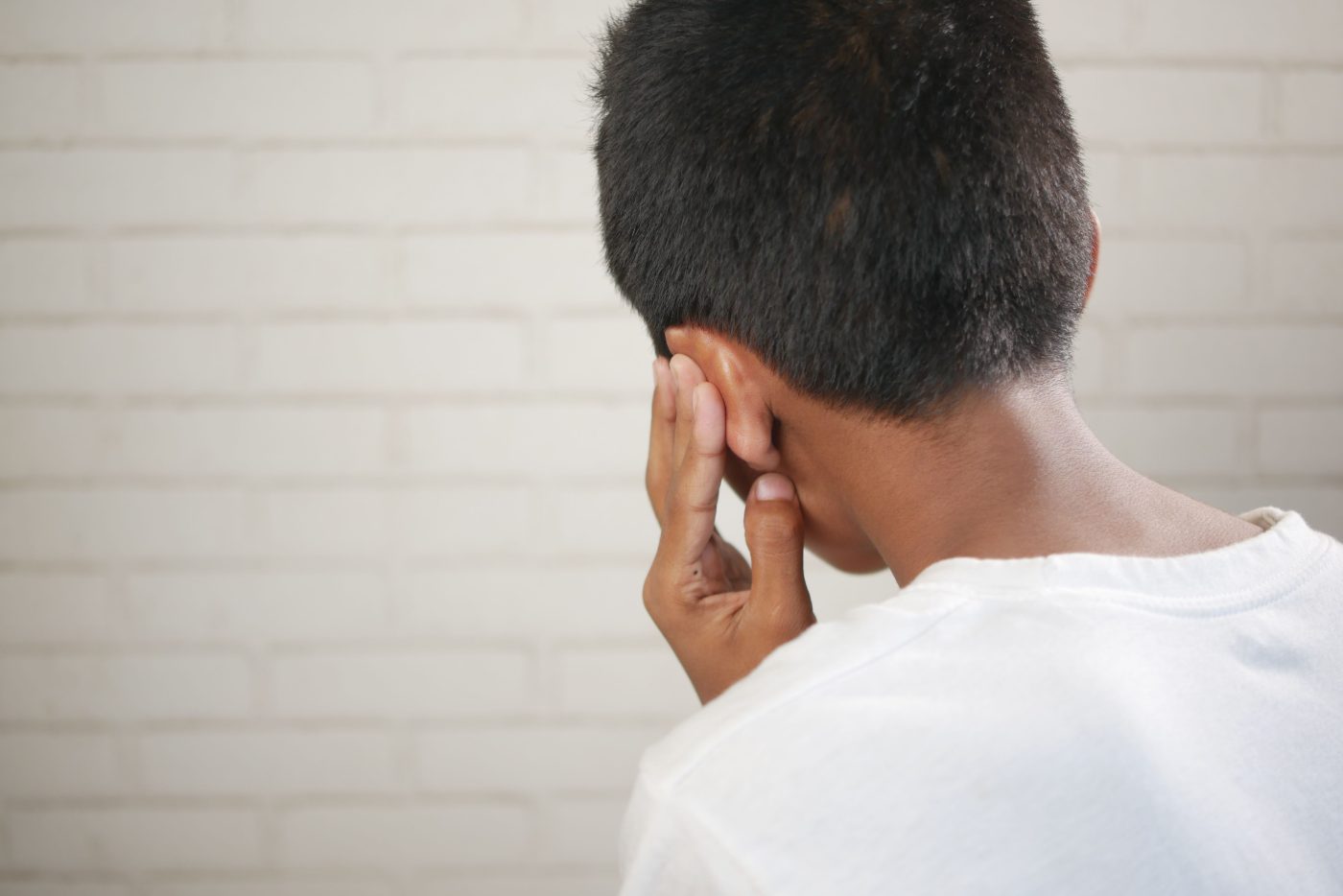
If you’ve ever watched your child clap their hands over their ears in the middle of the shops, at a birthday party, or even during a quiet family dinner, you’re not alone. Many parents ask, “Why does my autistic son cover his ears?” — and the answer is often more nuanced than it first appears. It’s rarely just about noise. For autistic children, covering their ears can be a powerful form of self-protection, communication, and regulation.
In this guide, we’ll walk through the common reasons behind this behaviour, what it might be telling you, and gentle, practical ways you can support your son so he feels safer and more understood.
Understanding Sensory Sensitivity in Autism
Autistic children often experience the world through a different sensory lens. Sounds that seem ordinary to you — the hum of a fridge, the buzz of fluorescent lights, or a distant lawnmower — can feel overwhelming, painful, or even frightening to your child. This is known as auditory sensitivity or hyperacusis, and it’s very common in autistic children.
When you ask, “Why does my autistic son cover his ears?” the most likely answer is that his brain is processing sound differently. Covering his ears is his way of turning down the volume on a world that can feel too loud, too fast, or too unpredictable.
Common Sounds That May Trigger Ear-Covering
- Vacuum cleaners, blenders, and hair dryers
- Hand dryers in public bathrooms
- Fire alarms, sirens, and loud announcements
- Barking dogs or crying babies
- Crowded shopping centres or busy classrooms
- Fireworks, balloons popping, or sudden clapping
- Background noise like fans, air conditioners, or fluorescent lights
It’s Not Always About Volume
Here’s something many parents don’t realise: your son may cover his ears even when a sound isn’t objectively loud. That’s because auditory sensitivity isn’t just about decibels — it’s about how the brain interprets and prioritises sound. Some autistic children struggle to filter out background noise, so a ticking clock or a distant conversation can feel just as intrusive as a shout.
Other times, ear-covering can happen in anticipation of a sound. If your son knows the blender is about to whirl or the toilet is about to flush, he may cover his ears before the noise even begins. This is a smart, self-aware coping strategy.
Other Reasons Your Son Might Cover His Ears
While sound sensitivity is the most common explanation, it’s not the only one. Here are some other possibilities to consider:
- Emotional overwhelm: Ear-covering can be a way to block out an overstimulating environment when feelings become too big to manage.
- Self-regulation or stimming: The gentle pressure of hands over ears can be calming and grounding.
- Physical discomfort: Ear infections, teething, headaches, or fluid build-up can cause your child to touch or cover his ears.
- Avoiding social interaction: Sometimes covering ears signals, “I need a break from talking or being talked to.”
- Focus and concentration: Muffling sound can help him focus on a task, a thought, or a preferred activity.
How to Tell What’s Behind the Behaviour
Because ear-covering can mean so many different things, it helps to become a bit of a detective. Pay attention to when, where, and how often it happens. Over time, patterns will emerge.
| When it happens | Possible reason | What might help |
|---|---|---|
| In noisy places (shops, parties) | Auditory overload | Noise-cancelling headphones, quiet breaks |
| Before a known sound (blender, hand dryer) | Anticipation and self-protection | Warn him in advance, offer earplugs |
| During emotional moments | Overwhelm or anxiety | Calm space, co-regulation, sensory tools |
| Repeatedly, with no clear trigger | Possible ear infection or pain | Visit your GP |
| When focusing on a task | Blocking out distractions | Provide a quiet workspace |
Practical Ways to Support Your Son
The goal isn’t to stop your son from covering his ears — it’s to understand what he’s telling you and give him better tools to manage the sensory world around him. Here are some supportive strategies you can try today.
1. Offer Sensory-Friendly Tools
- Noise-cancelling headphones or earmuffs for outings
- Soft foam earplugs for slightly quieter environments
- A favourite hat or hoodie for extra sensory comfort
2. Prepare Him in Advance
Predictability is powerful. Let your son know before a loud event: “In five minutes, I’m going to turn on the vacuum. You can go to your room or put on your headphones first.” Visual schedules and social stories can also help him feel more in control.
3. Create Sensory-Safe Spaces
Set up a calm corner at home with soft lighting, minimal noise, and comforting textures. This gives him a reliable place to retreat and regulate when the world feels too much.
4. Validate His Experience
Instead of saying, “It’s not that loud,” try, “That sound is really bothering you — I understand. Let’s find a quieter spot.” Feeling heard helps children build trust and confidence in expressing their needs.
5. Rule Out Medical Causes
If ear-covering is new, sudden, or accompanied by other signs like tugging, redness, fever, or changes in balance, book a visit with your GP to rule out ear infections or other physical concerns.
When to Seek Professional Support
If auditory sensitivity is significantly affecting your son’s ability to attend school, join family activities, or feel calm at home, it may be helpful to connect with professionals who understand autism and sensory processing. This could include:
- An occupational therapist experienced in sensory integration
- An audiologist to check hearing and rule out hyperacusis
- A behaviour analyst or ABA technician who can help build coping skills
- A speech pathologist if communication around sensory needs is challenging
At Bluesprig, our team works alongside families to understand each child’s unique sensory profile and create supportive, individualised strategies that honour who they are.
A Final Word for Parents
So, why does my autistic son cover his ears? Most often, because he’s protecting himself from a world that can feel overwhelmingly loud. It’s a smart, adaptive response — a sign that he knows what he needs, even if he can’t always put it into words.
Your job isn’t to make him stop. It’s to notice, listen, and gently equip him with more tools so he can move through life feeling safe, supported, and understood. With patience, curiosity, and the right support, both of you can find a rhythm that works — one where his sensory needs are met and his wonderful, unique way of experiencing the world is celebrated.