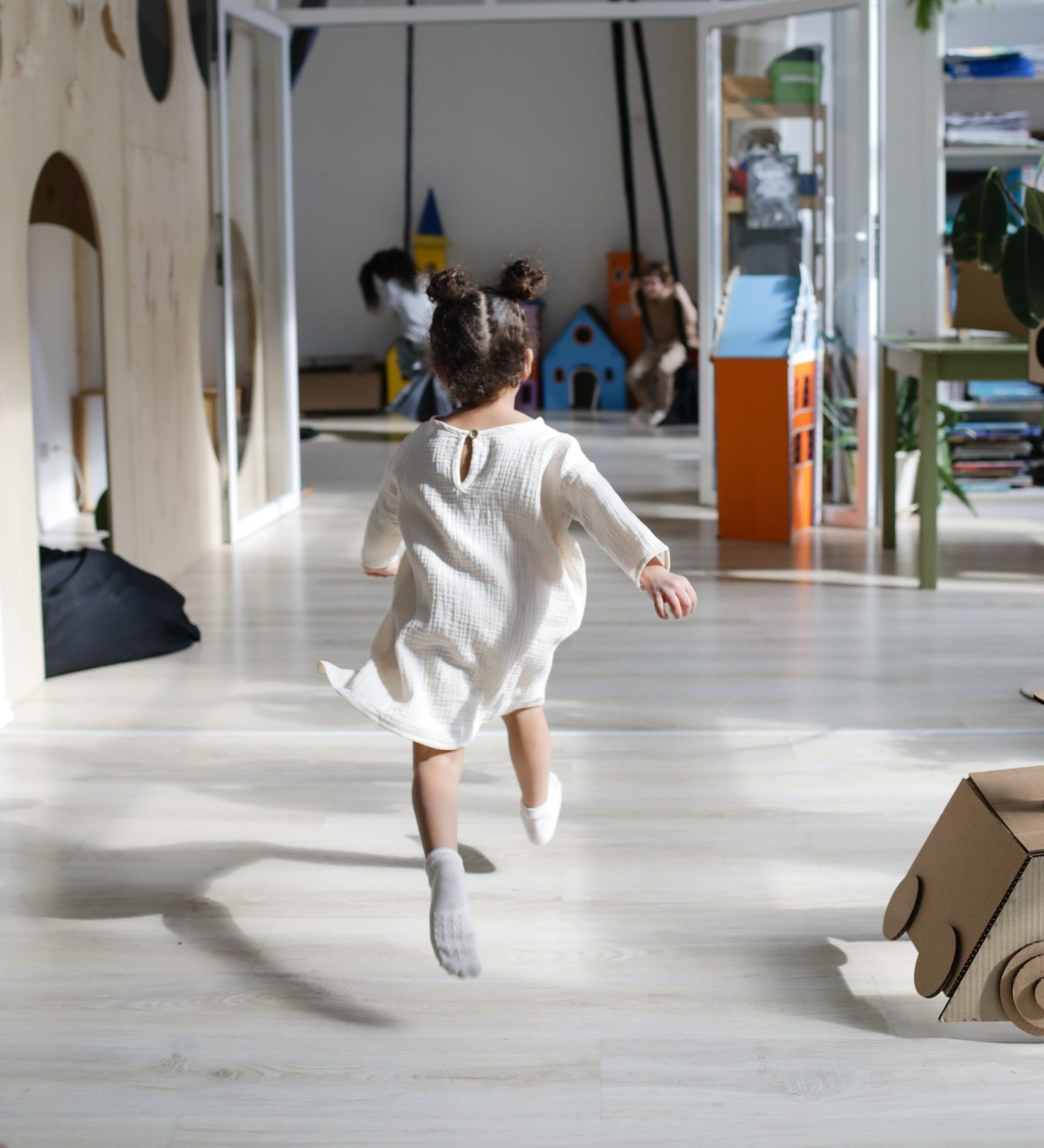
If you’ve noticed your child pacing, running from one end of the room to the other, or dashing back and forth in the backyard, you’re not alone. Many parents ask, “why does my child with autism run back and forth?” It’s a common question because this kind of movement is one of the most familiar behaviors in children with autism.
The good news is that once you understand what’s behind it, you can respond in ways that feel supportive rather than stressful for the whole family.
This behavior is usually a form of self-regulation. It’s your child’s way of managing big feelings, making sense of the world around them, or meeting a physical need their body is asking for. Let’s look at what’s really going on and how you can help.
Understanding Repetitive Movement in Children With Autism
Running back and forth is a type of what clinicians call “stimming,” short for self-stimulatory behavior. It’s a natural way many children (and adults) with autism calm and organize their bodies. An adult might tap a pen during a stressful meeting or bounce their leg while thinking. In the same way, children with autism often use whole-body movement to feel calm, focused, or joyful.
Pacing and running are especially common because they activate two sensory systems:
- The vestibular system: the balance system in the inner ear, which senses motion.
- The proprioceptive system: feedback from muscles and joints that tells the body where it is.
Both systems play a big role in helping the brain feel organized and grounded.
Why Does My Child With Autism Run Back and Forth? Common Reasons
There isn’t one single answer, but there are several patterns parents often notice. When you’re wondering why your child with autism runs back and forth, consider whether one or more of these might apply:
- Sensory seeking: Their body may crave more movement than a typical day provides. Running meets that need.
- Sensory overload: Sometimes the world feels like too much (too loud, too bright, too crowded), and movement helps them “shake off” the overwhelm.
- Excitement or joy: Many children with autism run and flap when they’re happy or looking forward to something they love.
- Anxiety or transition stress: Movement can help them cope with uncertainty, changes in routine, or worry.
- Focus and thinking: Just as some people think better on a walk, your child may need to move to work through ideas.
- Communication: If words are hard, the body often speaks first. Running can signal a need, a feeling, or something they want.
- Enjoying the movement itself: Sometimes it’s simply fun. That’s a valid reason too.
Spotting the Pattern: When and Where It Happens
Keeping a simple log for a week or two can tell you a lot. Write down when the running happens, where, what came just before, and how your child seemed to feel afterward.
Patterns will often emerge. Perhaps they pace before dinner when they’re hungry, or after school when they’re winding down from a busy day.
A Quick Comparison of Triggers and What They May Mean
| What you notice | Possible reason | Supportive response |
|---|---|---|
| Running with flapping, smiling, or vocalizing | Happy stimming or excitement | Let them enjoy it in a safe space |
| Pacing after a busy outing | Winding down from sensory overload | Offer a quiet space with calming activities |
| Running before transitions | Anxiety about what’s next | Use visual schedules and warnings |
| Constant movement, hard to settle | Sensory seeking | Build in scheduled movement breaks |
| Sudden pacing with signs of distress | Unmet need or discomfort | Check the basics: hunger, thirst, pain, bathroom needs |
Should You Try to Stop the Behavior?
In most cases, no. Stimming is usually helpful, not harmful, and asking a child to hold it in can actually increase anxiety.
The goal isn’t to get rid of the movement. It’s to make sure your child is safe, that the behavior isn’t getting in the way of things they want to do (like joining a family meal or sleeping), and that they have other tools when running isn’t possible.
There are times when gently redirecting is a good idea:
- When safety is a concern, such as near roads, stairs, or fragile items
- When the movement seems to signal distress rather than joy
- When it’s getting in the way of rest, eating, or activities they’d otherwise enjoy
Practical Ways to Support Your Child
Rather than trying to switch the behavior off, think about channeling it. Here are strategies many families find helpful:
- Create a “yes” space. A safe indoor or outdoor area where running is welcome takes the pressure off everyone.
- Build movement into the day. Trampolines, swings, obstacle courses, bike rides, and swimming all give your child’s body the input it’s looking for.
- Try deep-pressure activities. Bear hugs, weighted blankets, or a squishy beanbag can sometimes give the same calming feeling as running.
- Prepare for transitions. Visual schedules, timers, and gentle countdowns can ease the worry that often leads to pacing.
- Watch the sensory environment. Bright lights, background noise, or strong smells can lead to overload. Small changes often help a lot.
- Meet basic needs first. Hunger, thirst, tiredness, and needing the bathroom can all show up as extra movement.
- Move with your child. Sometimes joining in, like taking a lap around the yard together, builds connection and helps them feel understood.
When to Reach Out for Professional Support
Repetitive movement on its own isn’t a cause for concern. But it may be worth talking with your child’s pediatrician, an occupational therapist, or a Board Certified Behavior Analyst (BCBA) if:
- The running is putting your child at risk of injury
- They seem upset rather than calmed by the movement
- It’s getting in the way of sleep, eating, learning, or family life
- You’ve noticed a sudden change or increase, which may point to an unmet need
- You’d like strategies tailored to your child
An occupational therapist can look at how your child processes sensory input and create a “sensory diet,” a daily plan of movement and activities that helps them feel their best.
Applied Behavior Analysis (ABA) therapy can also help. Evidence-based ABA therapy teaches new communication and coping skills while respecting the important role stimming plays for your child.
Shifting Your Perspective
It’s easy to feel worried when your child does something that looks different from other children. But once you see running back and forth as your child’s clever way of taking care of themselves, the whole picture changes. They’re not “misbehaving.” They’re communicating, coping, and often celebrating.
Your role isn’t to fix the movement. It’s to understand what it’s telling you, keep them safe, and offer other options when running isn’t possible. That shift usually brings more calm to the whole household.
How BlueSprig Can Help
At BlueSprig, our credentialed clinicians create individualized treatment plans built around each child’s unique needs and strengths. With more than 150 centers nationwide and board-certified clinical leadership, we support children with autism and their families at every stage of the journey.
Getting started is simple. Fill out our short form, and a Care Coordinator will follow up to answer your questions and schedule an assessment. We accept most major commercial insurance plans.
Find an ABA Therapy Center Near You
Final Thoughts
So the next time you find yourself wondering why your child with autism runs back and forth, take a breath and watch with curiosity. Are they happy? Overwhelmed? Working something out? Needing movement? The answer is in the details, and every observation makes you a more confident advocate for your child.
With patience, a supportive environment, and the right professional guidance, your child can thrive: running, pacing, flapping, and all. Their movement is part of who they are, and understanding it is one of the most loving things you can do.