Back
Autism Resources

Season 4: Episode 7 – Helping Your Family Thrive

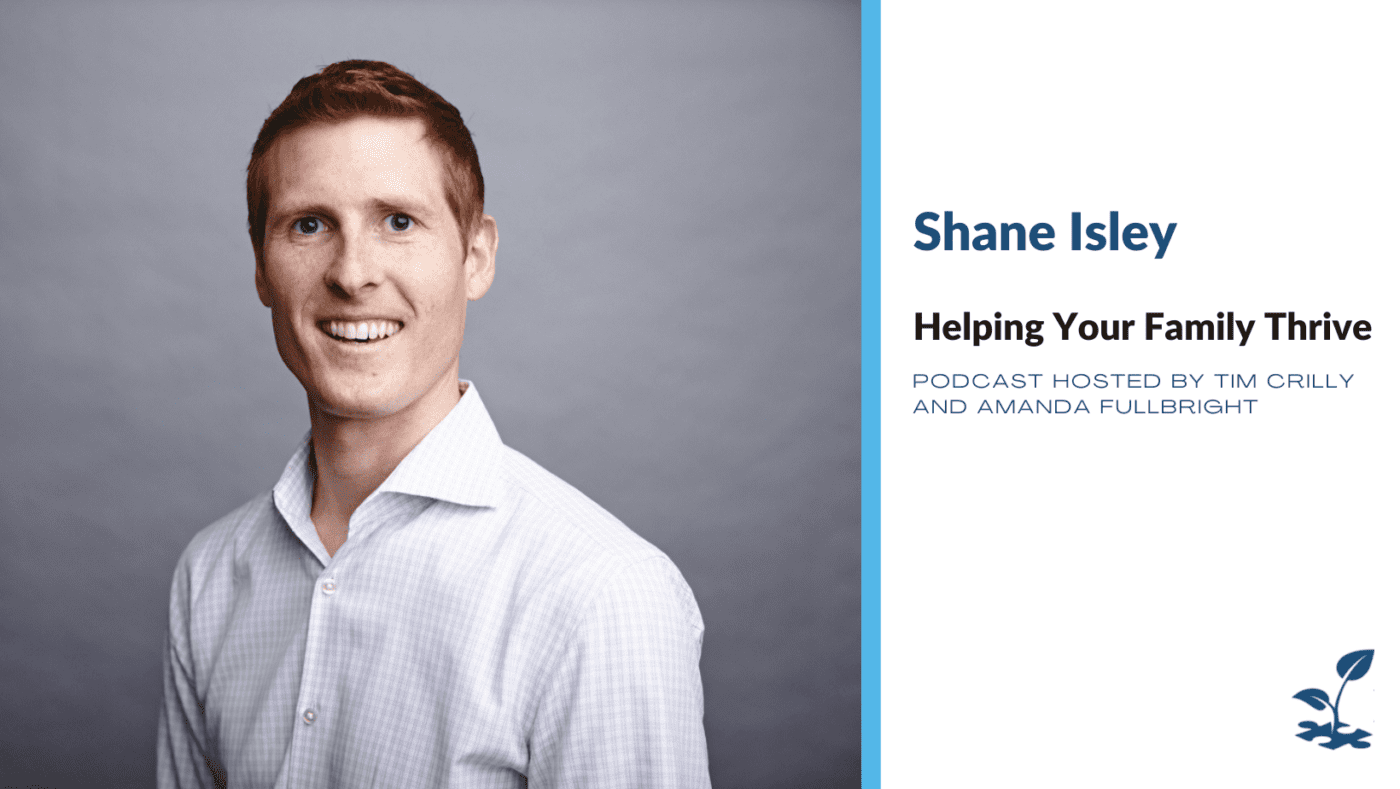
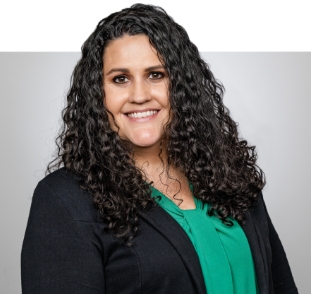
Hosted by Amanda Fullbright, MEd, BCBA, LBA, BCBA, LBA, MEd, Shane Isley, Tim Crilly
March 21, 2024

Listen now:

or listen on your preferred platform:

Episode Description

Tim is joined by special guest host Amanda Fullbright as they chat with Shane Isley about his recently published book Helping Your Family Thrive: A Practical Guide to Parenting with Positive Behavior Support. Shane, a returning guest, serves as a Senior Consultant for the Performance Thinking Network and leads the company’s Performance Thinking® For Behavioral Health/ABA Organizations business unit.  The conversation centers on Caregiver Guidance and is a great episode for clinicians and parents!
Full transcript

0:13 Tim Crilly: It’s kind of interesting special that’s uh that’s weak we are recording first and uh made a full by the second time. Uh our normal producer is it’s up to it’s uh to join us uh call producer. I don’t think it’s stopped. But also gonna kind of call us with me to the front first, and if we turn to get to the to the show, finally uh BCDA uh is back on uh to talk about a recent book that he was a co-author. I have the title here, so I’m just gonna read it now. It’s Helping Your Family Thrive, a practical guide to parenting with positive behavior support. So Shane was on a few months ago, uh, back in the previous season, and this book was something that was coming out, and we touched on it a little bit in our conversation. Uh, and I really wanted to have him on because if you’re a frequent listener of this show, I think the topic of caregiver guidance comes up a lot. And I think it’s uh it’s a really pressing need and something that needs to be talked about a little bit more. So we’re really excited to have Shane back on uh to talk about this work, this book, and sort of dig a little bit deeper into you know us as a group and how we can improve our ability to work directly with these families that we that we care so much about. So, Shane, thank you for joining us. Um if you don’t mind, maybe give us a little background again, just to kind of remind our listeners who you are and what you’re up to these days, and then kind of maybe walk us through how this book came to be.
1:58 Shane Isley: Yeah, well, thank you very much for uh inviting me on again. It’s uh definitely a pleasure to to chat with you guys. Um so yeah, as you as you mentioned, I’m a behavior analyst. Um I spend uh most of my time now actually uh doing performance improvement consulting, but um before I I kind of went into that full-time, um I had a company that uh served um families uh with children um with extreme challenging behavior. And so I did a lot of clinical work focused on family intervention, and that’s kind of what uh led to to writing a book um called Helping Your Your Family Thrive. And um I was really fortunate to to get to co-author this book with um Dr. Mimi Heinemann and Dr. Sarah Pfeffer and Missy Siders. Um it’s this book is is um an expansion on a book that uh Mimi Heinemann had written previously um called Resolving Your Child’s Challenging Behavior, uh which was focused on helping parents address you know their their challenging children’s challenging behavior. And what we wanted to do is write a book that was more focused on helping families, um, you know, uh not just focused on challenging behavior, but more about like how parents can approach their children’s behavior proactively, positively, you know, and and functionally, um and prevent some of the challenges that you know parents see.
3:54 Tim Crilly: Okay, so writing a book, it sounds like a really cool thing, but I’m guessing it’s kind of hard and labor-intensive. So how do you guys co-write? Is it okay, you do this chapter, or are you working on chapters together, maybe specialty topics? How do you break up uh that that type of project?
4:15 Shane Isley: Yeah, that’s a great question. Well, this is um this is the first book I’ve I’ve ever written. So, you know, I don’t have much much experience, but I can tell you that so um Mimi Heinemann had uh she definitely led the way. So, you know, she she has written uh several books before, and and so she sort of uh you know drove the the process, and we all kind of played a unique role, I guess you would say. So um Sarah, who um she’s a uh a current professor and um does a lot of work in you know not just with families but um in schools and with positive behavior score, and she’s very in tune in uh with the um current research. And so she really brought that piece um in into into it. And then Missy is a um uh a parent and uh an advocate, um, and she works for uh Peak Parent Training, an information center in Colorado. And our book has a lot of case examples of how it would look applied in different families, and she was really influential in aliens write those. Um and then the sort of my part was uh a lot of the tools and um you know guides that we used within our family-centered intervention uh division of my company uh blueprints, um those are the same, you know, downloaded materials like assessments, family plans um that we had created uh um with our work in Seattle, Washington. So um yeah, we we all kind of contributed something unique, but then of course we you know would write the chapters uh together, or you know, maybe we’d start it off and then we would add our contributions.
6:27 Amanda Fullbright: So the big question is, are you gonna write another one?
6:31 Shane Isley: I was gonna ask that. Are you one and done? Uh that’s a great question. Uh uh Yeah, I don’t I don’t know the answer to that. I mean, if you think about um, you know, this the the work that I sort of um you know did at Blueprints kind of started um all the way back into when I was an undergrad and a graduate at at the University of North Texas, you know, working under fantastic people like Shahla Ala’i-Rosales and so that leading into the work we did at Blueprints to then finally uh turning into a book. So I don’t know, maybe like 10 or 15 years from now.
7:15 Tim Crilly: What if what if Shahla calls you tomorrow and says, hey, we gotta write this book? You’re doing that, right? Of course. Okay, that’s the right answer. That’s the right answer.
7:25 Amanda Fullbright: We know she’s a listener.
7:27 Tim Crilly: I know. We found out recently she’s been on the uh on the show before, and I I I was able to she actually listened. And so Shahla, hello, big fan. Uh but that really uh was an amazing thing to hear because I always joke that it’s basically like my mom is really dealing with listening to the show. But to find out someone someone like that is paying attention actually made me a little bit nervous. It’s like, gosh, what have I been saying for the last year? Um, so okay. Um who do you who’s this book for, in your opinion? Is it the family? Is it the clinician? Is it both?
8:02 Shane Isley: Yeah, um, well, so I mean, first and foremost, I I think it’s for you know, for parents or caregivers. And, you know, we kind of use a broad definition um of parents, of step parents, grandparents, you know, whether they’re um adoptive, foster parents, you know, or just kinship relationships, or um, and and of course biological parents. But so there’s there’s that that’s the sort of main, I guess, um audience. But one of the things that we we also uh wrote it um another target audience of ours were professionals that are working with families that could use it as um sort of an addition or guide along with the work that they’re doing. So, you know, if you’re a mental health professional, if you’re a behavior analyst and you’re working with with families, helping them, you know, essentially set up their home for for success and help prevent and respond to challenging behavior and learn how to how to you know uh teach their children skills and manage consequences, that you could use this as sort of a a support to the work that you’re doing. Um because it’s easy to read, it um um it includes a lot of exercises and downloadable forms that um it could be a nice, a nice uh addition to the work that that uh mental health professionals and theater analysts are are currently doing with family.
9:41 Tim Crilly: Sure. So it it it can go out of the scope of sort of that ABA world. This is like this is stuff for parents that that are that are you know sort of dealing with different things other than autism as well.
9:53 Shane Isley: Absolutely. Actually, this um uh this is for any any parent, any family. So it if you um you know have a typically developing child or um you know any age, because it’s it’s really that’s sort of where the we kind of expanded on on you know Mimi and Um Karen Elfner and and Jane um Sir Guy’s book of resolving their child challenging excuse me, resolving your child’s challenging behavior, is that was really like okay, if you’re a parent and you have a child and they’re you know um engaging in challenging behavior, here’s a process that you can follow, right? So you know, we should how to assess the behavior, right, how to determine the function, how to uh um create a plan and you know teach replacement skills and that we’re this one is is really for for you know any any family that essenti essentially wants to like enhance um their you know uh success as a family. Like we we help them walk through process of like identifying, you know, a family mission and a vision. What is your family uh what do you want your family to look like? Um, you know, uh helping them set clear expectations, helping them um identify schedules and um uh many other things that that you can do to prevent even just misbehavior among um children without uh say a neurological or a developmental disability.
11:40 Tim Crilly: So yeah, that’s that’s that’s fantastic.
11:43 Amanda Fullbright: I know I’ve looked at some of the um early early editions of some of the assessments and things that you had had shared with with Alan, and I think that it’s really great. I can’t wait to take a look at the full the full book.
11:57 Tim Crilly: For those of you who are not just on a personal phone call command right now, Alan for Hust. I mean, Alan Fullbright. Okay, but listener or listener. So Alan. Okay, very good. So yeah, um, I I think that’s right. I think the the ability to put tools in the hands of any family, uh, because we all, if you’re a parent, like you know, we go through phases of things and you kind of forget how hard it was, or you know, it never seems like you’re gonna get through this one thing, whether it’s toiletry, sleeping, the battle of brushing teeth, or you know, fill in the blank. Uh, just you kind of take it for granted and you just sort of like move through life. But that the idea of having something to to create a roadmap, uh it’s just something that I think more people can appreciate, but just don’t know that it’s there.
12:54 Shane Isley: Yeah, I mean, that’s something that um we had used in um at Blueprints and we had developed something um you know called the family family plan. And essentially, so we had a a workbook um that we would use with our clients or or you know of families, and kind of wherever they were, so if you know, if we we sort of started with them and and took them sort of through the the the whole process, um, you know, we would have essentially like modules and you know have teach them uh some information and but the whole whole purpose was to like fill out a family plan. And and so, you know, when they when they kind of ended the you know the program, they would it they would have things like you know really clear behavioral expectations and their values laid out and a family vision and um you know and and consequences for desire behavior and consequences for for challenging behavior and also like goals that they wanted to work on, skills and how they were gonna work on, um you know, a a schedule. And so we included a lot of that stuff here, and so parents can actually, you know, if they want to go through the whole process, um create a family plan that um and do, you know, little bits at a time and fill kind of little sections, um, and and really help them kind of you know reflect on what are their strengths, maybe where are areas that they can improve, um and and and which which starts actually with with an assessment. Um so that’s that’s something that was really successful in our our practice and we wanted to bring it in here. However, uh the cool thing is is that you know, if you only kind of want to, you know, just refer to a section, you can do that as well. So it it you can read it front to back and follow along and fill out the the family plan. Or let’s just say, you know, you need a refresher or you’re just you you want to help you know setting family expectations. Okay, then you can just read that chapter and do that one or two exercises and and you’re on your way. So uh it can it can it can work both ways.
15:29 Tim Crilly: That makes sense. Um can you give me an example of a family vision? I I love this concept, but um I I’d love to hear kind of what what you guys uh define that as.
15:41 Shane Isley: Yeah, I mean, so so this is sort of where it brought in some of the um you know the the work of uh performance improvement, right? So, you know, similar a family is a it’s an organization, right? It has uh people and processes and things need to get done in order to accomplish goals. And so it’s it’s not you know it’s not that different from from a vision. So, you know, like um what is it, what is it, what does our family look like when you know we’ve put all of these things in place? Or so um you know, where we are helping each other um you know, strive towards our individual, but also our family goals where um you know we are where we choose to spend time together, um that that we are uh we enjoy each other’s company. Um you know, so it can include uh it can include several things. It’s really kind of like what what does our family look like when it’s um you know uh functioning at at its uh peak level, I guess I guess you would say. So we’re we’re all working together, we’re sharing, you know, chores and responsibilities, we’re picking up someone that’s you know ha having a tough go, or you know, we’re um being compassionate and caring, we choose to spend time together, those types of things.
17:26 Tim Crilly: But it’s it’s something that you take for granted, you know. But to say it out loud or put it on paper or whatever probably has a bigger impact.
17:35 Shane Isley: That’s that’s really what we found, you know, at Blueprints is that that that’s the thing is that sometimes sitting down with your family, and that’s really what this is this is about. This is a sort of you know, parents are filling this out, you know, and after the children uh go to bed, you know, to the degree that they can participate, it’s really like, hey everyone, like what do you think? What would you like to see change? You know, how do you think we’re doing in this area? And and it’s it’s very much of a of a you know, a process that’s meant to be um contributed equally by all family members to the degree that that they can, of course, with you know age and um accessibility or or if that happens to be the case or time or or whatnot.
18:26 Amanda Fullbright: Um I like that that’s very inclusive of all the family members. I think it shows value in that you value each one of your family members to be a contributing member of the family.
18:39 Tim Crilly: No, I you know, it’s you know, like you said, it’s uh it’s like a small corporation. I you know remember exactly what you said, but it’s you know it’s an organization, it’s it’s a group of people that some are dependent on this for that and the other thing. Uh, and to not treat it that way, but to recognize it that way is a really cool concept. I the family vision thing, I think we’re feeling that I I love this concept because I think in this sense where we’re gonna segue, um, if you don’t mind, uh, sort of why why it is sort of a challenge in our in our field for um BCBAs to go out and provide as effective caregiver guidance or you know family guidance as as we should do it. Um you know, I think it’s something that Amanda and I talk a lot about. Um it’s not it’s not the easiest thing to do. I don’t know if it’s because people didn’t get into this field to talk to adults, or we don’t train people well enough, or if the value in it is diminished because it’s not effective. So everyone’s sort of canceling on each other, so you don’t have like the momentum in that that process that you should. Um, so I just painted a pretty dark pleased picture. So maybe that’s gonna help me uh cheer it up a little bit. Why is it so hard? I guess that’s a that’s a long, long, one question short.
20:08 Shane Isley: Well, first I I I probably should clarify that I think that because there was a politician at one time that said, like, you know, people are corporations, and and I think you might remember that. So when I was saying, you know, families is that they’re like a system, right? System, that was the word I’m sorry. Like an organization. Yes, that’s okay.
20:27 Amanda Fullbright: I just like totally don’t know. It doesn’t want to be misquidably.
20:30 Tim Crilly: So it’s more like a pond, yeah. That kind of system. Yeah.
20:38 Shane Isley: Uh but but to to to to answer your question, I I think there are there are several um you know, several factors and that uh make it more difficult to to take a real family system uh uh approach to intervention. First is you know, the the healthcare system right is is focused um generally on you know, uh patient focused or or the identified patient, right? So the person with challenges or you know, disability and and therefore the funding very much supports the intervention with the individual rather than necessarily with the whole family system. Right. So I I think that those are are some factors. I I do agree with you that that you know, at least in some training that people receive in graduate school and afterwards is not tends to be focused on uh building programs for that particular child and need and maybe not focused on as much as you know working with parents and caregivers, helping them. um set up systems in in their home to help you know prevent and minimize behavioral challenges and it is certainly a different you know type of work when you’re working with an entire family or working with with um uh parents and caregivers. And I think also it really depends on how the you know a family is introduced to a type of treatment or, you know, if they’re seeking help. So you know one of the things that we did at Blueprints was be really clear that the uh focus like of our intervention was directed towards the family unit. And so it required as much as possible participation from all of the family members. Uh that we weren’t sort of just going to be focused on an individual uh in need. And so right from the get go, just you know how we introduced them to our process and talked about our model and and you know what sort of um an intervention with us looked like where it had participation from, you know, parent and caregiver only meetings and then family coaching as well as individual skill building for, you know, the the individual or person with with challenges. So you know laying out your approach and your model uh was was really helpful and getting that building that understanding and buy-in from always from you know the first phone call through intake and um but then but then also supporting your your providers in delivering intervention outside of just um individual you know particular acquisition uh for for you know a person with autism or an autistic person and um I mean those are those are some of the things that that we thought of and and worked through it helped.
24:19 Tim Crilly: Yeah I think the need to as a clinician going into the home and sitting down with a family the the the ability to be flexible and say hey I think we should try this and if a parent doesn’t feel like that’s going to be something that they can follow through on you have to be able to change your your idea of your approach to to bring them to a place where okay this is a plan that they can actually implement because it’s ultimately the one that has the best chance for that and I think you know it’s important just because it worked with this family doesn’t mean it’s going to work with this but you have to be able to you know kind of adjust as you as you go through the process uh because they’re all different and everyone is going to have a different situation of different needs.
25:05 Shane Isley: Yeah and and that’s something that we really stressed too was that you know we moved away from a um consultative model and made it more about a partnership right so things of families what are your desired outcomes what would you like to see happen? What is a great day with your family does it mean you know uh father taking their son or daughter to a baseball game? Does it just mean having dinner, you know, with extended family without disruption does it just mean getting through the morning routine like what you know and saying okay we’re going to um go on this journey together so you know right from assessment that they’re part of the assessment. They’re part of the development of the plan. And so it’s it’s not um we we don’t give or we didn’t give any sort of uh notion that like we’re gonna fix the individual or you know the reduce the frequency of the challenging behavior without their sort of full involvement and participation along the way. And um it and and so I think that that is is something that that is important is that we’re not going in saying here’s you know sort of the expert led model, here’s the way, this is um how it’s gonna be but rather you know saying where is it that you want to go? Where are you now? You know, what are the steps that we’re gonna take to get there and how are we gonna um you know make sure this is reinforcing for all parties to keep you know persist through through the challenges and um that that was that shift for us was really uh successful. I like it really made a big difference. Um and and so that’s how you build interventions that are contextually appropriate because you’re you’re there, you’re like you observe routines and activities not just like behavior you know out um outside of a natural environment or natural context. So you can see if your recommendations are likely to work or not. When you were and when you said that you kind of shifted from this expert led to this more of a partnership did you currently have families that you were working at with at that time and how did you kind of shift that or the what current like mid mid mid-treatment yeah you’re like hey wait hold on I’m actually going to switch this up talk us through that yeah that’s a really great question so we always took a family centered approach but there were times I think that maybe we were a little led a little bit more and this is something that I I learned very much from Mimi or Dr. Heinemann from Charla um and and you know it’s when you’re a new consultant right or um and you’re out there and you’re you’re saying okay well um I know this and I know that and and it’s sort of hard to kind of uh fall into that um so it it wasn’t as if we were doing one interventure and then we completely shifted. However like we definitely were serving clients and became more and more and more focused on on um the entire family unit. And um it the that was part of the reason where we created um you know a facilitators guide for our practitioners and a workbook. So that was one of the things that helped us make that shift is that we said you know here we’re making this amount of progress but you know we only see your child this many hours a day right you’re with your child X amount of um all of the rest of the time right and so we really need to in order for us to to to help you reach your family outcomes and accelerate progress we really need to help empower you to put these things in place but do it in such a way that it’s feasible right it’s not too effortful it’s not right too versive and and so when we could kind of say okay we’re gonna focus on the on this so um and and start you know asking them to participate in family meetings then we could say okay we’re gonna cover this information today and then we discuss it and then they practice it and then um and and and then help coach them through it. And once that they started to contact success and specifically in in the areas that are were most relevant I guess in their in their daily life right so we say you know where are you noticing the biggest problem? Okay the morning routine.
30:56 Amanda Fullbright: Okay let’s let’s focus there right so it’s not as if skill building takes a long time right and so um and they can parents can start to see progress over time but if if they are having a difficult time just getting out of a house in in the morning and you can work together on on a plan and um a set of strategies to help with that that’s gonna help build build buy-in right then and and you sort of build from there so I I guess that was a really long-winded answer just to to say we um helped them see that they had reached their outcomes faster if we focused um if it was a team effort we had uh a structured way to to you know take them through um you know building skills and knowledge just uh like like you would um when you were training any any person and and activities to help them do that and then we focused on routines and activities that they were were either most important to them or that they were struggling with most does did that help did that answer your question did you say that you had um facilitators so did you have people individuals on your team that were just working with parents oh I did say that no that was actually so one of the things we developed um within Blueprints was um basically what what has largely turned into to um the activities and and guides in this book was a facilitators guide that that helped practitioners know what to do during um you know parent and provider meetings and parent coaching right so they weren’t having to go in go where do I start what is um they didn’t have to make it up as they went along right so we had people um uh you know our practitioners going through a set of topics and activities of course not in any linear order but that matched the parents needs and and so that really helped them give them some language give them some to-do’s and focus um that and and make sure that time was meaningful and so that’s what I meant by that all of our yeah all of our clinicians that were in a position where they managed caseloads they were all required to work with um all members of of of the family so we didn’t have just sort of a um a one or few people that did specialist yeah training cool okay that one real quick we’re kind of up against the uh clock here any last thoughts questions I do I have one more okay sure show Amanda go for it never getting informed again um so if you had a time machine and you could travel back to when Jane I was a we led and was just starting out what’s the one piece of advice surrounding this topic of family guidance that that you wish that you could give your past self?
34:33 Shane Isley: Oh I mean I I think the first thing that comes up is what we were talking about the importance of of empowering parents and caregivers and partnering with them from the beginning. I think that maybe another thing is is that families are are are so unique in um you know different cultures and languages and um different visions and missions. And so um being comfortable and okay with helping them navigate through the process to achieve the goals and outcomes that they wanted. Rather than you know going with saying I think I could help you get to this point or to that point or so maybe not having some of um maybe my personal biases I guess you would say or this is important to me so must be important be important to them right but really helping them learn in this case you know positive behavior support um process and and allowing them to use it for decision making and building strategies and assessing where they are and and um and and that sort of be be good with that be happy with that and not say well you know I I can help you get here or you know or if you if you do a little bit more work here we can um you know I think this is really possible but that that might not be something that is that important for them. Yeah and and so that’s what I learned.
36:26 Tim Crilly: Yeah I think for for me once I had kids and you can sort of put yourself in other people’s shoes it made sort of interacting with families a whole lot easier because you take for granted what a challenge is to go. You know so I think for me that was something that really helped me put it uh when when I started a while ago that it was easier to communicate with a with a mom of a two or three year old because I have two and a three year old you know so that sort of thing I think if you’re sort of alluding to it’s okay let’s really boil it down to what is it that you need and let’s start there and let’s not worry about driving and weddings like some people start to get worried about on that first day you meet with them. Let’s let’s talk about the here and now let’s focus on what we can do today tomorrow next week. I think that’s what I would tell myself is that that ability to slow it down and kind of like you were alluded to I think that’s a really good really good concept to to focus on.
37:30 Shane Isley: Beautiful yeah I’m done okay um hey where can they get the book? Yeah you can get the book now um as of today on Amazon.com or you can um buy from yeah Brookspublishing.com and if you let’s say you were to go to the um positive behavior support conference um you know you could use a code PBS10 um at Brooks Publishing uh and get 10% off but maybe if you could make it to that conference you could also use that code PBS10 um and get 10% off from Brooks Publishing. So either Amazon if you want it faster or or you can get it from Brooks.
38:20 Tim Crilly: Promo codes you’re the only person that’s ever given us promo code so I appreciate that you’re like a like a pseudo sponsor in a way I know you liked it last time I I think I I think I talked about it for like a week I need to um I really appreciate it Amanda thank you so much uh it’s so much more fun with with more people and more voices uh so I I appreciate uh you know I I don’t know how to do that along the way so uh it’s just a difficult uh I know you guys have a three yeah so Amanda thank you allowing me to change uh still look at okay so thank you everybody

Find a center near you.